

TLDR
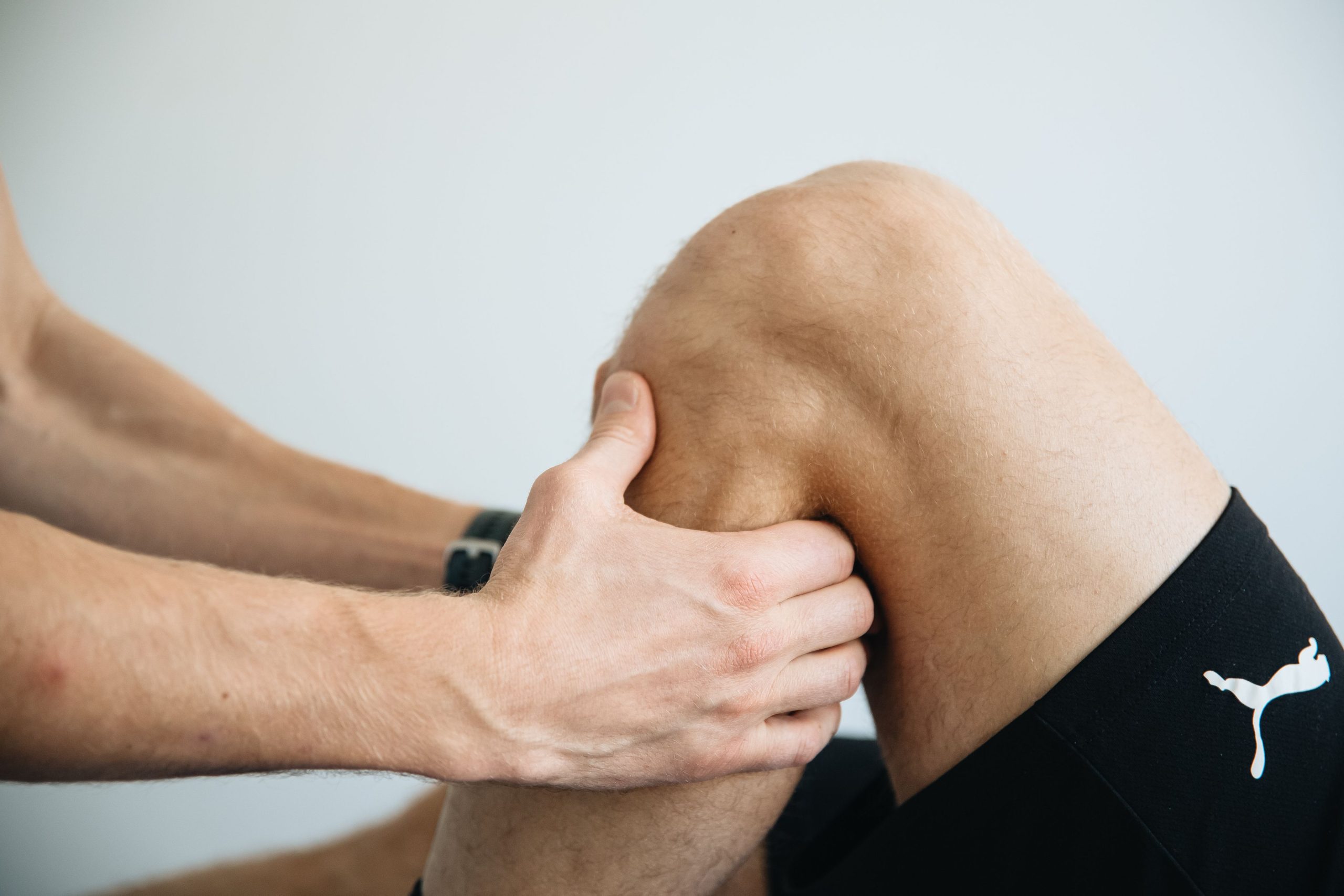
Knee pain has several possible causes, and not all of them point to surgery. Before committing to a knee replacement, non-surgical options like pressure wave therapy, Class IV laser therapy, chiropractic care, decompression therapy, and rehabilitative exercise are worth exploring. Carolina West Clinic in Lexington, SC, evaluates the root cause of knee pain and builds a conservative care plan when it’s appropriate.
Your knee clicks on the stairs. It grumbles when you stand up from the couch. Then someone mentions knee replacement, and you start wondering what recovery would involve. Pause there. Surgery is one answer to knee pain, but it’s not the only one.
At Carolina West Clinic, our chiropractors bring more than 25 years of experience to evaluating pain and guiding conservative care, helping patients find drug-free relief and restored mobility. We offer non-surgical knee pain treatment in Lexington, SC, serving patients from West Columbia, Columbia, Chapin, and Gilbert. Here, we discuss five knee replacement alternatives to consider before surgery.
Does Knee Pain Always Mean You Need a Replacement?
No. Your knee is a hinge with opinions, and sometimes it takes the blame for trouble that starts elsewhere. Knee pain is a symptom, and symptoms have many sources:
- Osteoarthritis, the gradual wear of joint cartilage
- Tendon or soft-tissue irritation
- Old injuries that never fully settled
- Meniscus or ligament problems
- Referred pain, where the trouble starts elsewhere, such as a pinched nerve in the low back
Two people can describe the same ache and need completely different care. That’s why the cause has to come first.
A knee pain diagnosis and a surgery recommendation are two different things. If a surgeon has already said you need a replacement, don’t ignore it. Ask whether conservative care fits your particular knee before you book a date.
What Are the Non-Surgical Knee Replacement Alternatives You Can Try First?
At Carolina West Clinic, we focus on addressing the underlying cause of your pain rather than simply managing symptoms. We consider your symptoms, movement, health history, and treatment goals before recommending care. The five conservative options below reflect that approach, and your evaluation helps determine which may be appropriate for you.
1. Pressure Wave Therapy
Pressure wave therapy delivers acoustic pulses into sore tissue to promote microcirculation and trigger the body’s natural healing responses. Our chiropractors in Lexington, Dr. Verch, Dr. Anco, Dr. Rose, and Dr. West, offer it for several musculoskeletal complaints, including knee pain.
After evaluating the cause of your pain, we’ll determine whether it belongs in your care plan. Pressure wave therapy may help with certain soft tissue problems, but it can’t rebuild a severely damaged knee joint.
2. Class IV Laser Therapy
Class IV laser therapy uses specific wavelengths of therapeutic light to penetrate deep into affected tissues. This light energy stimulates cellular repair (photobiomodulation), improves circulation, and reduces localized inflammation and healing time for muscle, joint, and nerve pain without invasive downtime. It does not regrow lost cartilage or reverse structural joint damage, but it can be a useful piece of a broader conservative care plan.
3. Decompression Therapy for Knee Pain
Decompression depends on where your pain begins. Our Knee On Trac knee decompression system applies gentle traction to your knee joint and may be considered for symptoms like mild osteoarthritis or joint compression to reduce pressure on the joint surfaces.
If an evaluation suggests that nerve irritation in your lower back is contributing to pain around your knee, we use our DRX9000 spinal decompression system to target the spine instead. These treatments address different problems, so we assess which, if either, fits your condition.
4. Chiropractic Care and Joint Alignment
Knee pain doesn’t always start at the knee. The way your hips, spine, and feet move can change how force travels through your leg and add strain to the joint. A chiropractic evaluation can help determine whether those mechanics are a factor in your pain and whether targeted adjustments are appropriate for you.
5. Rehabilitative Exercise and Lifestyle Changes
Strong muscles help support your knee. A tailored plan may strengthen your quadriceps and hips, improve how you walk and move, and adjust activities that aggravate your pain. For knee osteoarthritis, exercise and, when relevant, weight management are established nonsurgical starting points. Our chiropractors can work with you on a plan that fits your needs and adjust it as you progress.
When Should You Consider a Knee Replacement?
Surgery isn’t the enemy. Knee replacement can be a sound option when pain, joint damage, and loss of function are severe, and other treatments haven’t given enough relief. Some knees have simply worn past what conservative care can fix, and recognizing that takes good judgment.
Trying conservative care first still leaves surgery on the table. You get to understand your options and pick the approach that fits your condition.
Explore Your Knee Pain Treatment Options at Carolina West Clinic
A knee replacement is a major decision. Before you make it, you deserve to understand what is causing your pain and which options fit your condition. At Carolina West Clinic, we evaluate your symptoms and build a conservative care plan when it is appropriate. Contact us to schedule a knee pain evaluation in Lexington, SC, and take the next step with a clearer picture of your choices.
Key Takeaway
- Knee pain can stem from arthritis, an injury, soft tissue problems, or pain referred from elsewhere in the body.
- A knee pain diagnosis isn’t automatically a surgery recommendation.
- The right knee pain treatment depends on the cause of your symptoms and the extent of joint damage, but it’s worth asking whether conservative care fits your specific case first.
- Non-surgical treatments like pressure wave therapy, Class IV laser therapy, chiropractic care, decompression therapy, rehabilitative exercise, and weight management may have a role in selected cases, depending on the cause of the pain.
- Knee replacement can be appropriate when pain and loss of function are severe, and other care has not helped enough.
- Dr. Verch, Dr. Anco, Dr. Rose, and Dr. West at Carolina West Clinic in Lexington offer non-surgical knee replacement alternatives and can customize and combine therapies to meet your specific needs.
- Our Lexington office welcomes patients from West Columbia, Columbia, Chapin, and Gilbert, SC.
Sources
- https://www.carolinawestclinic.com/knee-pain/
- https://www.carolinawestclinic.com/pressure-wave-therapy/
- https://www.carolinawestclinic.com/how-class-iv-laser-therapy-accelerates-tissue-repair-and-healing/
- https://pmc.ncbi.nlm.nih.gov/articles/PMC7356229/
- https://my.clevelandclinic.org/health/treatments/8512-knee-replacement
- https://pmc.ncbi.nlm.nih.gov/articles/PMC10501460/
- https://www.carolinawestclinic.com/chiropractic-care/
- https://www.carolinawestclinic.com/spinal-decompression-therapy/
- https://www.carolinawestclinic.com/weight-loss/